Reconstructive Expertise for Complex Cases
The bone surrounding a tooth that has been missing for some time can slowly diminish without the patient even realizing it. Many are shocked to hear that there may not be enough bone remaining for treatment. Ridge augmentation restores the natural shape and strength of the jaw after bone loss. The result is improved function as well as appearance, particularly when thinking about replacing teeth. At Roswell Complete Dentistry, we take a more personalized approach to these cases so patients know their options and feel confident moving forward.
Understanding Ridge Augmentation
The “ridge” refers to the part of the jawbone that once supported a tooth. After a tooth is lost, that ridge can become thinner or lower over time. Ridge augmentation helps restore that area by adding bone material where support has been lost. As healing takes place, the graft blends with your natural bone and helps rebuild a healthier foundation. This can make a big difference when preparing for future treatments. Patients considering Complete Mouth Dental Implants Roswell or immediate implant placement Roswell Ga often needs enough healthy bone to achieve stable, lasting results.
When Ridge Augmentation Is Needed
Ridge augmentation is commonly recommended after tooth loss, especially if the tooth has been missing for months or years. It may also be suggested after trauma, infection, or extractions that caused damage to the surrounding bone. If the jaw has become too narrow or uneven, replacing a tooth can be more difficult without rebuilding the area first. In some cases, ridge augmentation is done specifically to create the support needed for implants. In others, it is recommended simply to restore healthier bone contours and protect the long-term stability of nearby teeth and gums.
Ridge Augmentation and Smile Aesthetics
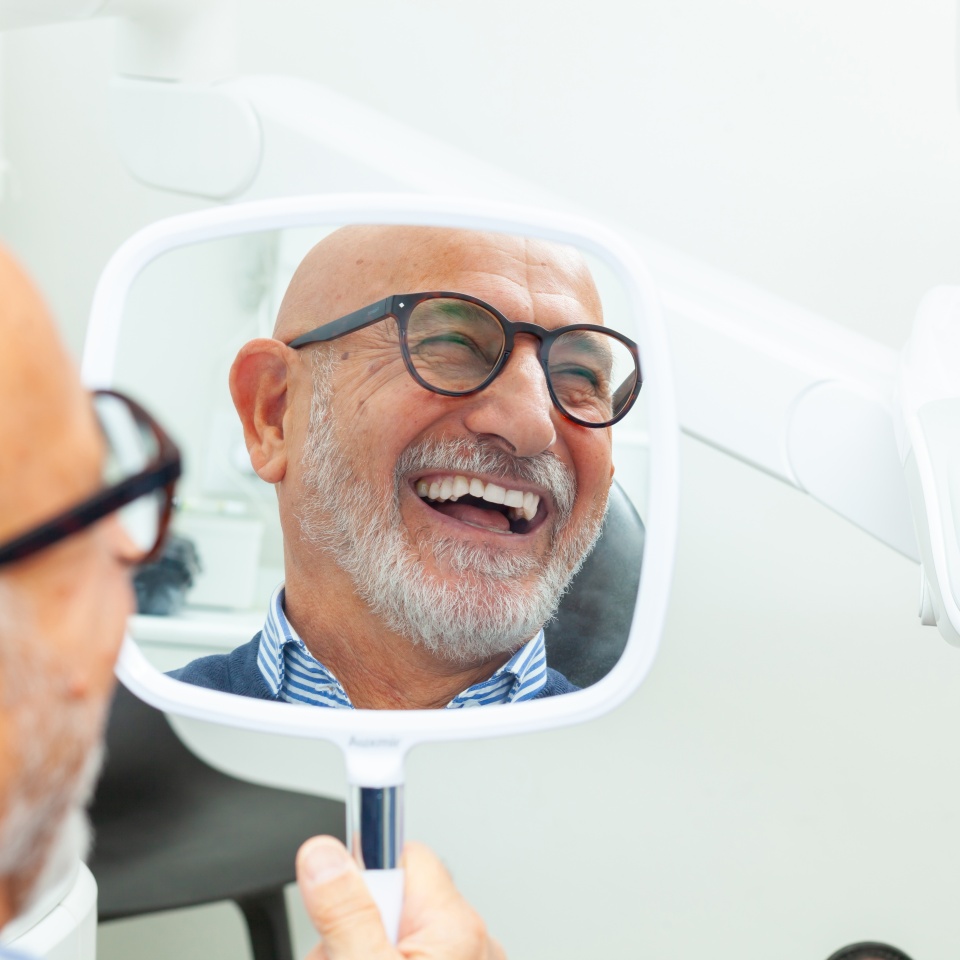
This procedure is not only about strength—it can also improve how the smile looks. The bone loss from a tooth means the gums and supporting tissues on that portion of the face may also change, and this alteration could lead to a sunken look or uneven spacing over the teeth that affect your confidence. By reshaping the ridge, we can often restore the natural shape of the gums and give it a more balanced appearance. If later you replace a tooth with a dental implant or bridge, a more natural result will be obtained when you have the right foundation beneath it.
The Ridge Augmentation Procedure in Roswell
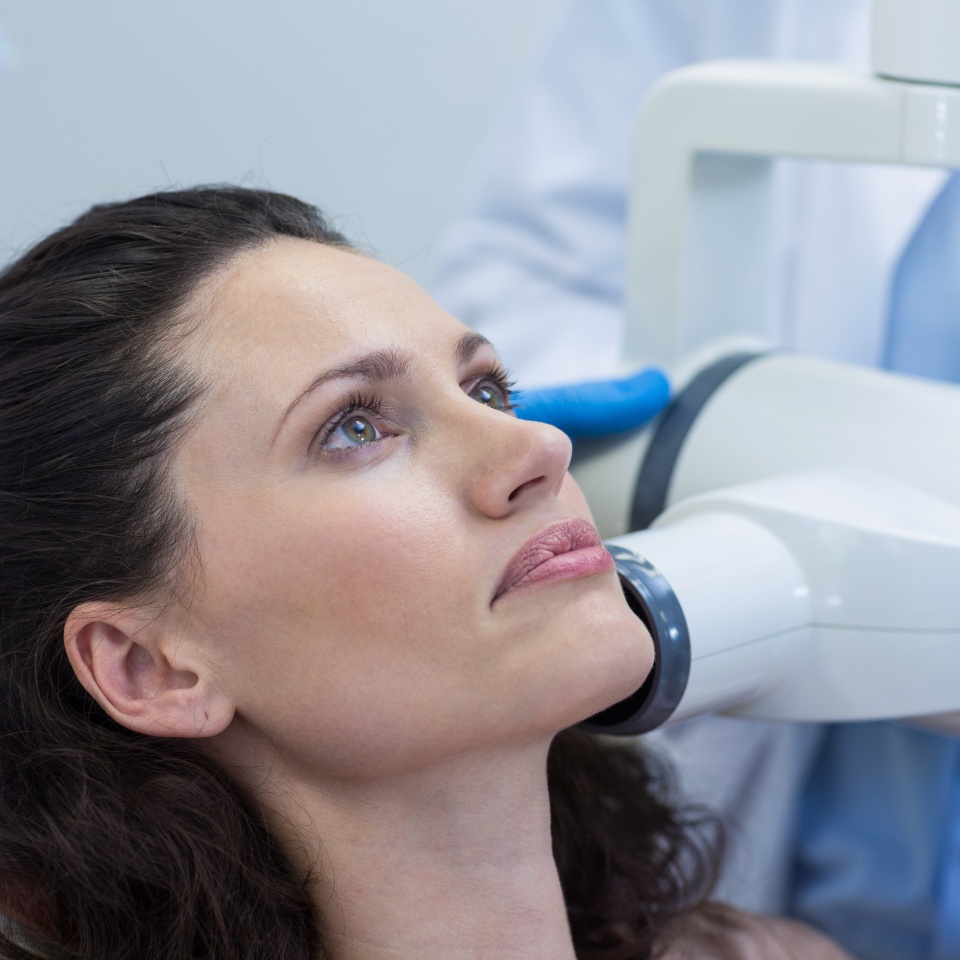
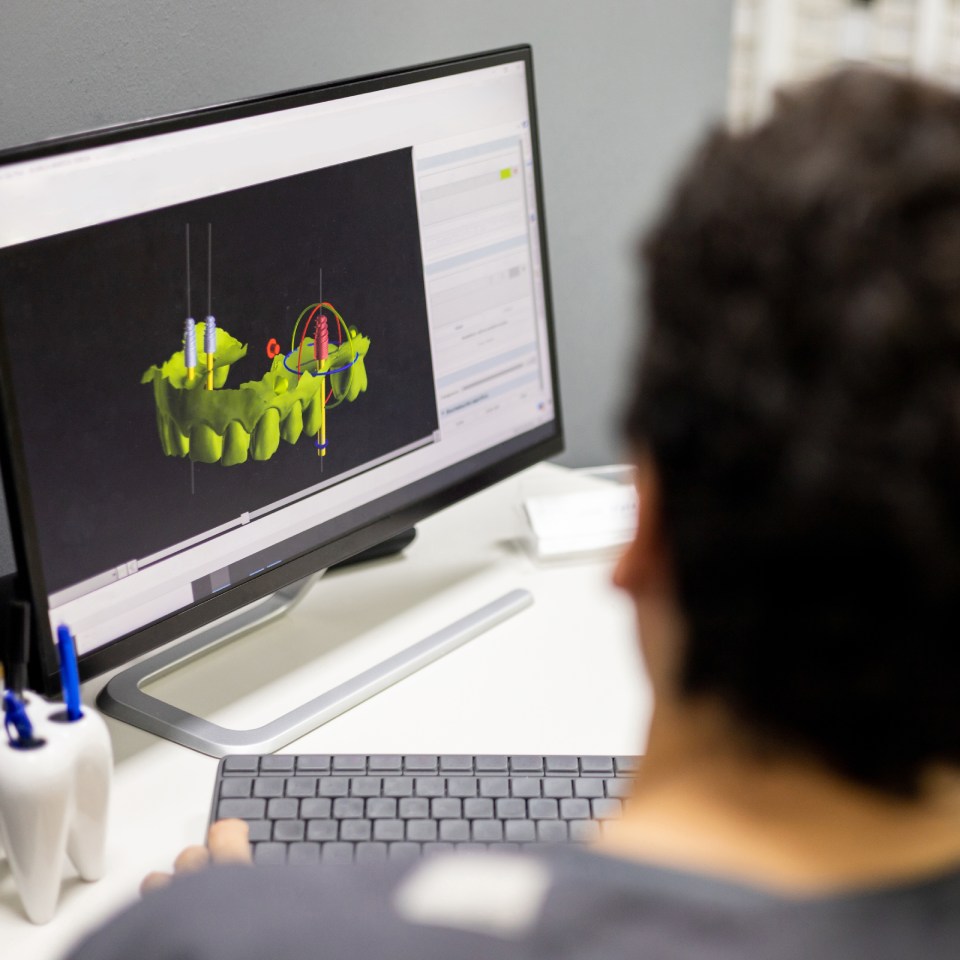
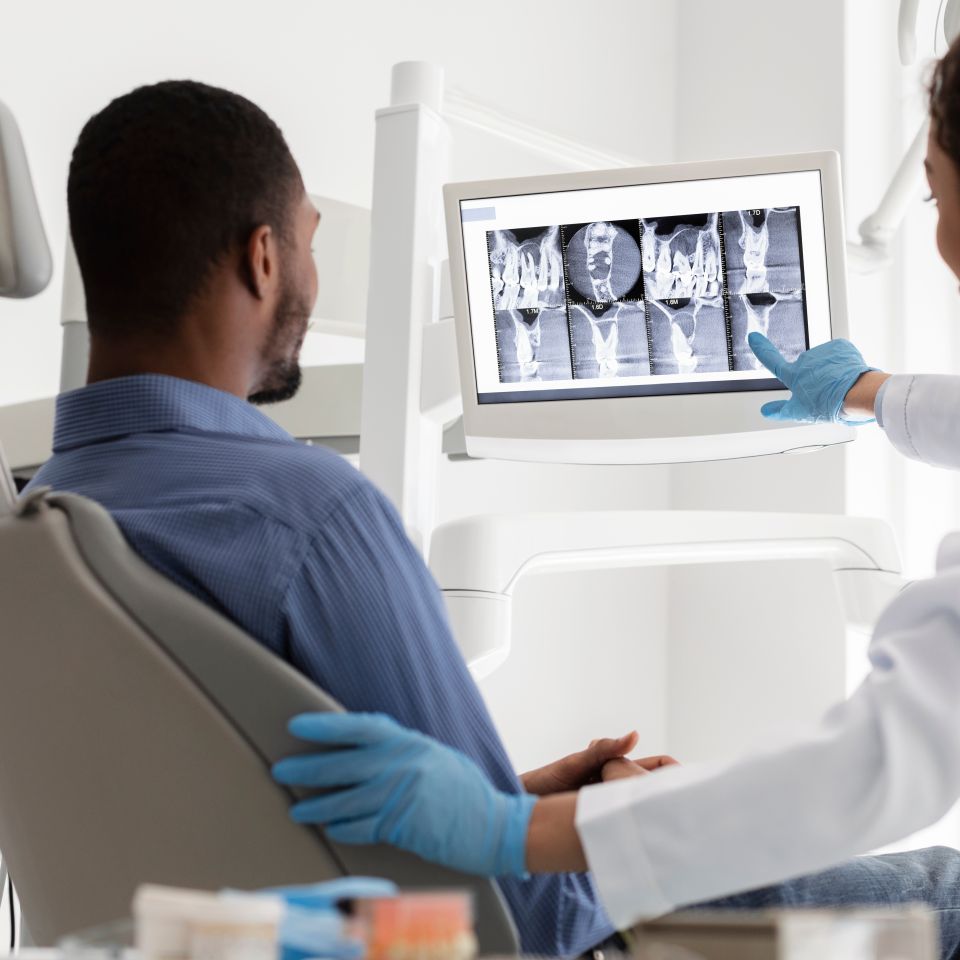
Before treatment, we use imaging and an exam to understand the amount of bone loss and the best way to rebuild the area. During the procedure, bone grafting material is placed where support is needed, and the site is carefully protected while healing begins. The area is numbed thoroughly, and sedation options may be available for added comfort. Most patients are relieved to find that the process feels more manageable than expected. Recovery instructions are straightforward, and healing takes place gradually as your body integrates the grafted material over time.
Trusted Care with Flexible Locations
Ridge augmentation, a procedure that involves rebuilding the bone in the jaw to support dental implants, can be a necessary first step in restoring both comfort and confidence after a tooth loss. While it may seem like an extra step, the right foundation is what allows us to prepare patients for future treatments with more predictability and success. The end result is a more comfortable, more confident patient with new teeth. At Roswell Complete Dentistry, we explain everything very clearly and will make recommendations based on your goals. If Roswell isn’t the most convenient location for you, we also offer ridge augmentation at our Marietta and Buford offices. That gives you flexibility while still receiving consistent, attentive care focused on long-term results.
Frequently Asked Questions About Ridge Augmentation
Ridge augmentation is a procedure that rebuilds areas of the jawbone that have shrunk after tooth loss. It helps restore support for future dental treatment.
You may need it if bone loss has made the jaw too thin or uneven for implants, bridges, or healthy gum support after losing a tooth.
The area is numbed during treatment, and sedation may be available. Some soreness afterward is normal, but most patients manage recovery well.
Healing varies by case, but bone integration usually takes several months. Your dentist will monitor progress before any implant placement or next steps.
Yes. Rebuilding lost bone can improve the contour of the gums and provide better support for that area, often resulting in a more natural-looking smile restoration.
Sometimes, if the implant is unstable, bone support has diminished, or the mouth has lost one or more teeth, it is necessary to replace the implant.