
Why Bone Grafting Matters
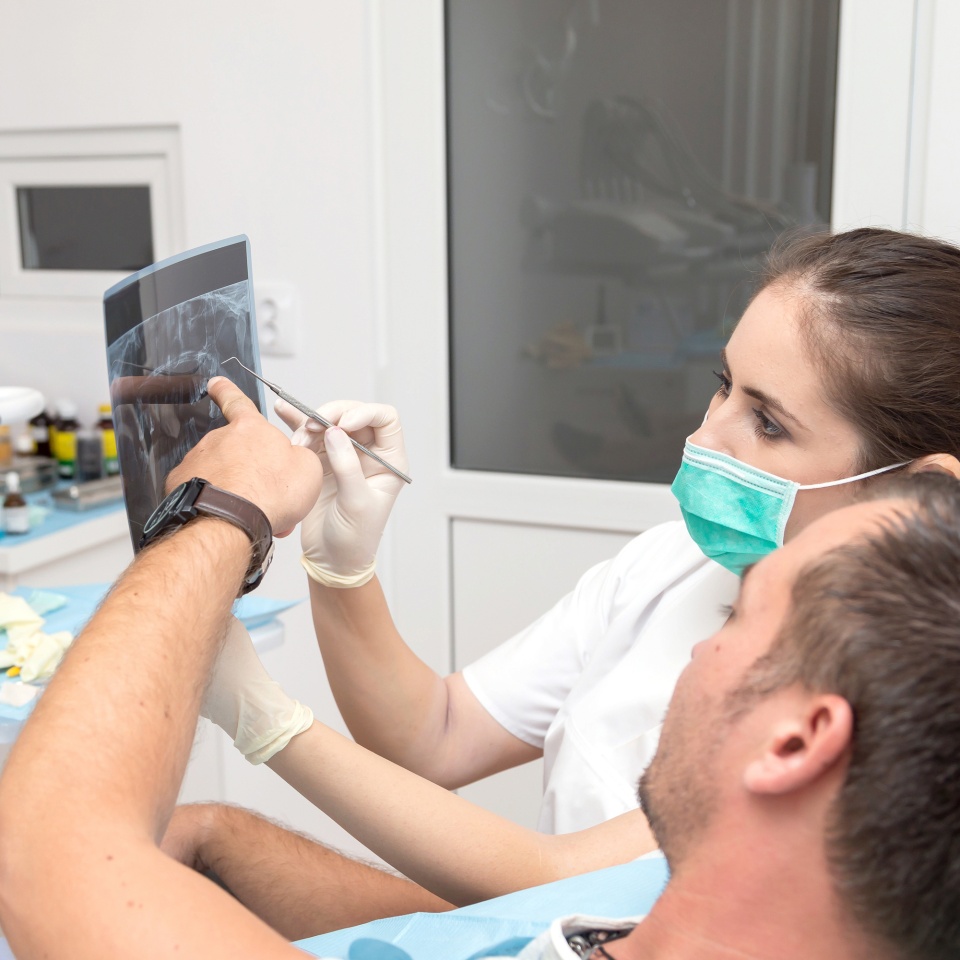
Losing a tooth doesn’t just leave a gap you can see. Over time, the bone underneath can start to shrink as well. It happens slowly, so most people don’t notice it at first. Then later, when they start thinking about options like implants, they’re told there isn’t enough support. That’s where bone grafting comes in. It’s a way to rebuild what’s been lost so your mouth has the structure it needs again. It sounds complicated, but the goal is actually pretty simple—bring back strength where it’s missing.
What Bone Grafting Involves
The process itself isn’t as intense as people expect. We place a small amount of bone material into the area where the bone has thinned. That material works with your body over time. It doesn’t just sit there—it slowly becomes part of your natural bone. Most patients don’t feel anything unusual afterward beyond the normal healing phase. It’s more of a behind-the-scenes step that makes a big difference later.
When Bone Grafting Is Recommended
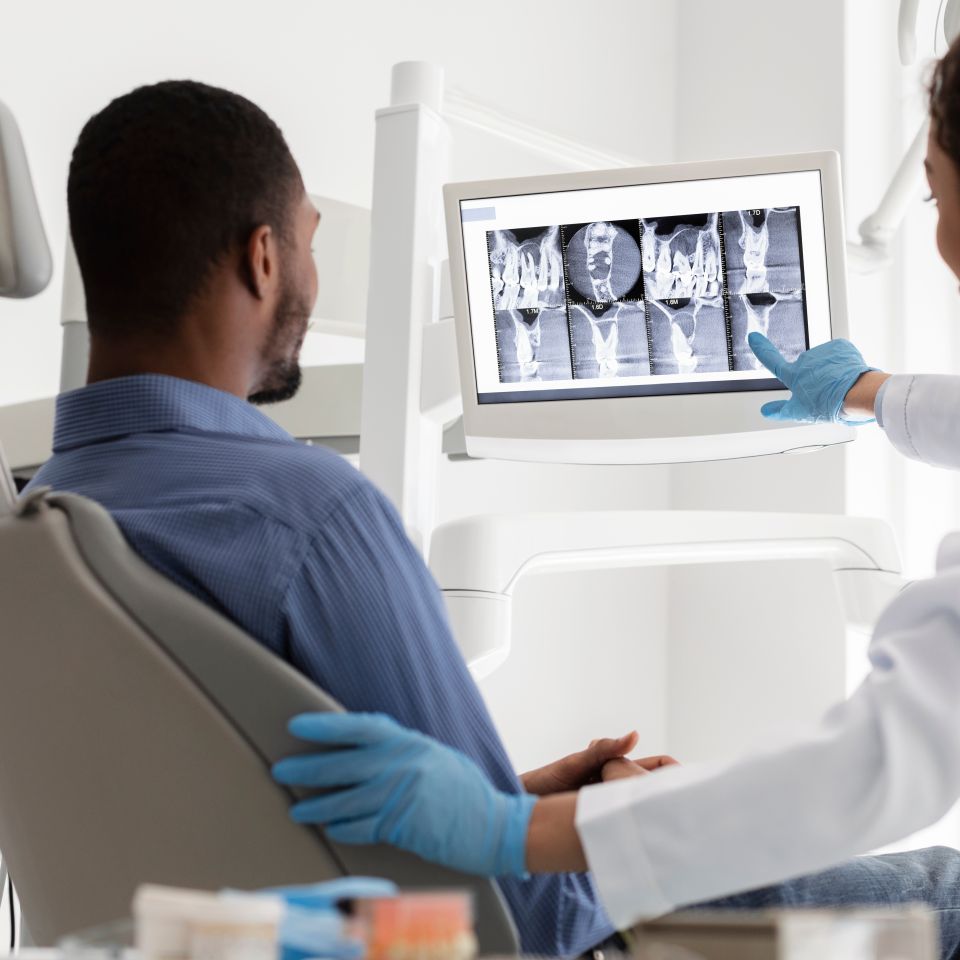
A lot of the time, bone grafting is recommended before dental implants. Implants need something solid to hold onto. Without that support, they’re not going to last the way they should. In some cases, it’s also done right after a tooth is removed to help preserve the bone early. Every situation is a little different, so we look at what’s happening in your mouth before deciding the best approach.
Preparation and Procedure Experience
Before the procedure, we’ll talk through everything. No complicated explanations—just a clear idea of what’s being done and why. On the day of treatment, the area is numbed, and if you’re feeling anxious, sedation is an option. Some patients choose it, some don’t. Either way, the focus stays the same: keep things comfortable and steady from start to finish.
Recovery and Healing Process
Afterward, there’s usually some mild soreness. Nothing unexpected. Most people describe it as manageable. The important part is giving your body time to heal properly. Over the next few months, the graft slowly integrates and becomes stronger. It’s not immediate, but that’s what makes it reliable in the long run.

Long-Term Benefits of Bone Grafting
This step can make a big difference in what’s possible later. Without enough bone, certain treatments become limited. With it, you have more options—and better long-term results. That’s really the reason we recommend it when needed. Not to add extra steps, but to avoid problems later.
Frequently Asked Questions About Bone Grafting
The procedure itself is painless due to anesthesia and available sedation options. Afterward, patients typically experience mild to moderate discomfort, swelling, and bruising that improves steadily over the first week with proper care and medication.
Initial soft tissue healing occurs within two weeks, but complete bone regeneration and integration typically requires three to six months. Dr. Patel monitors healing progress and determines the optimal timing for any subsequent implant placement.
Bone grafts have high success rates — generally exceeding 90% — when performed by experienced oral surgeons using appropriate techniques and materials. Following post-operative instructions significantly impacts outcomes.
While uncommon, graft failure can occur due to infection, smoking, certain medical conditions, or premature stress on the healing site. Dr. Patel discusses risk factors during your consultation and provides guidance to maximize success.
Not everyone requires grafting. Dr. Patel uses 3D imaging to assess bone volume and determines whether grafting is necessary. Patients with adequate existing bone can often proceed directly to implant placement.
Costs vary based on graft type, extent of treatment, and whether sedation is used. Our team provides transparent pricing during your consultation, and many dental insurance plans cover a portion of bone grafting when performed in preparation for implants.

Location and Accessibility
If getting to Roswell isn’t ideal, that’s completely fine.
We provide this service at our Marietta and buford locations.
So you can choose whichever location works best for you without changing the level of care you receive.