

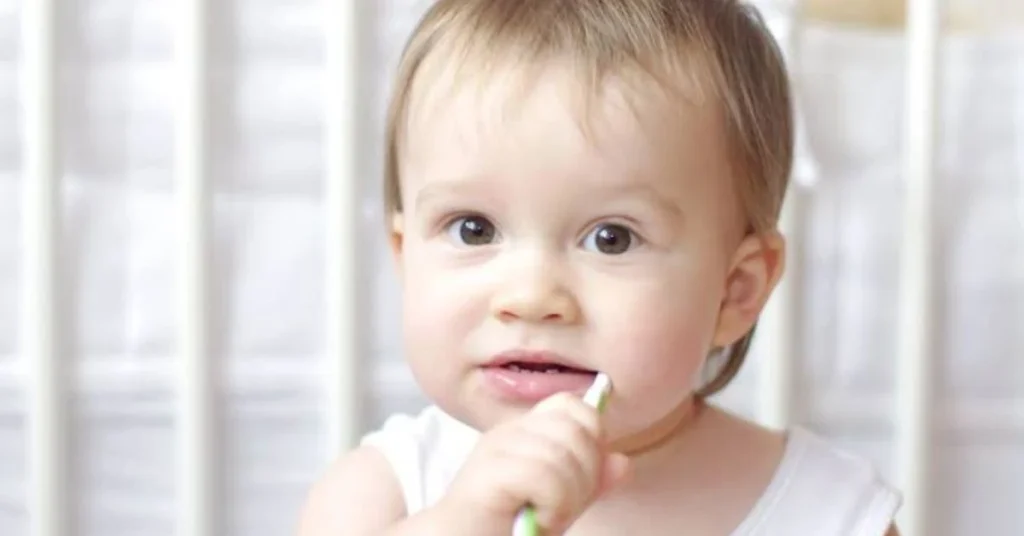
Most parents do not consider dental care until the child has a full set of teeth. If you ask a dentist who works with babies, they’ll tell you that it’s too late. The first few days of life are when this should start, no teeth required.
Great Tips for Baby Oral Health Care
While baby teeth are being called “not the real teeth,” they are working hard. They serve as space for the adult teeth, they’re important for learning to speak, and without them a baby can gum food but cannot chew it. Skip the hygiene, and the risk becomes the baby bottle tooth decay pediatric dentists refer to, not a cosmetic issue. It is painful, it can get infected, and at times it may cause damage to the permanent tooth waiting under the gum line.
Start Before the First Tooth Appears
The gums should be thoroughly wiped down even before the teeth have formed. Bacteria and milk sugar remains are eliminated by a damp washcloth after feedings or by a little gauze around a finger. There’s a bonus, too: the baby gets accustomed to having something in their mouth, and it will not be a surprise later when the time comes to brush.
Brushing Once Teeth Emerge
Around 4-7 months, the first tooth eruption occurs, and it’s time to start using a soft-bristle toothbrush. But until age three, the standard dose of fluoride toothpaste is hardly more than a smear the size of a rice grain. Brushing two times daily is sufficient. At that level, fluoride is not harmful, but does benefit the enamel. Just be sure to consult a pediatric dentist for the correct dose for your child.
Avoid Bottle Propping and Nighttime Bottles
A good rule of thumb to avoid: sleeping with a baby bottle filled with milk, juice, or formula. All night long the sugar remains on the teeth and bacteria eat it, creating damage to the enamel over time. If that’s the only bottle that’s required, water is an option, or the bottle goes away after the baby falls asleep.
Limit Sugary Liquids and Snacks
Sugar is a risk beyond the bottle phase too. Juice, flavored yogurt, and sweetened snacks can cause just as much decay as milk left sitting on the teeth overnight. Water and whole foods are better, and not only for the teeth.
Schedule the First Dental Visit Early
The American Academy of Pediatric Dentistry recommends the first dental visit at 1 year of age or just 6 months after a child’s first tooth, whichever occurs first. A practice built specifically for children, like First Smile Pediatric Dentistry, can make that visit go much smoother, since everything from the space to the appointment pace is designed for little ones who may be squirmy. It is during that first visit that a dentist can identify any developing issues early on and provide advice that is tailored to the child, and not generic advice. It also means that the child visits a dentist before they become afraid of it.
Parents should also not skip their own dental visits. Routine adult exams, such as the oral cancer screenings offered by dentists in the Roswell area, can catch issues before they become serious. Getting the whole family to go together makes it more likely everyone will keep it up.
Watch for Teething Discomfort
Teething brings fussiness, drooling, and sore gums that are obvious once you’ve witnessed it. A cold teething ring or a chilled washcloth will help. Numbing gels are another issue: some have ingredients that are not safe for small children, so you should consult a pediatrician before using a gel.
Pacifiers and Thumb Sucking
Early on, it is quite normal for babies to use pacifiers and suck their thumbs. After 2-3 years of age, however, they may begin to push teeth out of alignment or alter the shape of the palate. If the habit is still present, a dentist can make it easier to get rid of it at that time.
Set a Good Example
Children learn from what they see, and watching their parents brush and floss their teeth will be more effective than a lecture. Don’t force it: if there is a song, or a toothbrush that they really like, or a routine that doesn’t change, then cooperation is likely to follow.
Frequently Asked Questions
1.When should I begin baby oral care?
Start wiping your baby’s gums after feeding, as early as the first few days of life, even though no teeth may have appeared, using a soft damp cloth.
2.Is fluoride toothpaste safe for babies?
Yes, but in trace amounts. For children younger than 3 years, a smear the size of a rice grain is recommended. Discuss the appropriate dose with your dentist.
3.How many times should you brush your baby’s teeth?
After teeth start to come in, brush the teeth twice daily with a soft, baby-size toothbrush.
4.When is it advisable to make the first dental visit?
By the end of your child’s first year or when his or her first tooth appears.
5.Are teething gels safe for babies?
Not all of them. Teething gels containing some numbing agents are not recommended for young children. Using any product is best done only with your pediatrician or pediatric dentist’s advice.
Conclusion
There’s nothing complicated here, just the following: clean the gums right away, begin gentle brushing when the teeth emerge, avoid sugar at night, and make that initial appointment. When it comes to your child’s teeth, it’s a worthwhile question to take to a local dental practice.
Our experienced dental team proudly serves patients from the following nearby communities, whether you need routine dental care or want to enhance your smile:
We are dedicated to delivering quality dental care and helping patients across these communities maintain healthy, confident smiles.
Author Bio
Dr. Pardis Koleini, DMD is a cosmetic and restorative dentist at Roswell Complete Dentistry. Born and raised in Boston, MA, she received both her B.A. in Biology and her M.A. in Medical Science from Boston University, followed by her DMD, also at Boston University, graduating Magna Cum Laude. She finished her Advanced Education in General Dentistry residency at Tufts University School of Dental Medicine. Dr. Koleini is currently practicing at Roswell Complete Dentistry, 1875 Old Alabama Rd., Ste. 130, Roswell, GA 30076.
1875 Old Alabama Rd., Ste. 130
Roswell, GA 30076
Phone: 404-595-1840
Email: staff@roswellcompletedentistry.com


